Understanding Ceiling Speakers: Types and Features
In today’s modern audio landscape, ceiling speakers have emerged as a favored choice for both residential and commercial spaces. These innovative audio devices offer an unobtrusive solution for immersive sound experiences without sacrificing design aesthetics. Whether you're planning a home theater, background music for a restaurant, or sound for a conference room, selecting the right اسپیکر سقفی can transform your audio experience. With a variety of models and features available, understanding their types, functionality, and installation processes is essential to making an informed choice.
What are Ceiling Speakers?
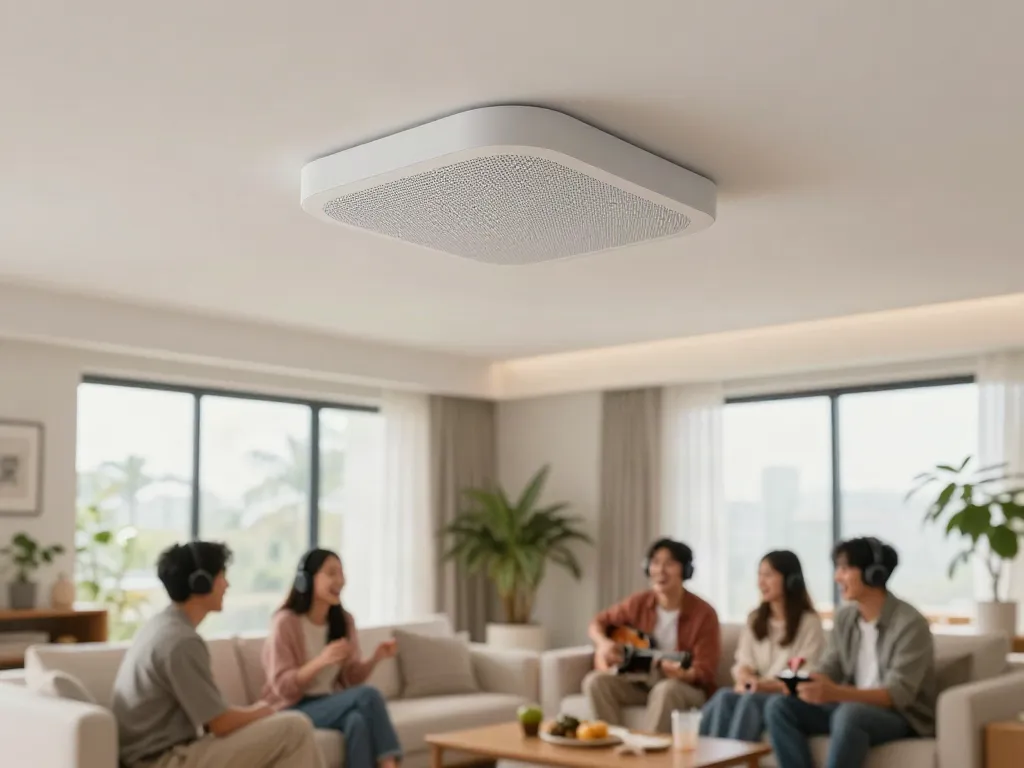
Ceiling speakers are audio output devices that are installed directly into the ceiling structure. They are designed to provide high-quality sound in a compact form, making them ideal for environments where space is at a premium. Often equipped with built-in amplifiers, these speakers can deliver rich audio without the need for bulky equipment occupying floor or table space.
Types of Ceiling Speakers Available
- Passive Ceiling Speakers: These require an external amplifier to function and are typically used in professional audio setups for areas that demand high sound quality.
- Active Ceiling Speakers: Built-in amplifiers allow these speakers to connect directly to a sound source, offering greater ease of installation and use.
- Bluetooth Ceiling Speakers: These wireless options allow for easy streaming from portable devices, eliminating the need for complex wiring.
- Waterproof Ceiling Speakers: Ideal for outdoor or high-moisture environments, these speakers are designed to withstand the elements.
Key Features to Look for in Ceiling Speakers
When shopping for ceiling speakers, consider the following features:
- Sound Quality: Look for speakers that offer a wide frequency range and clarity in sound reproduction.
- Power Handling: Measured in watts, this indicates how much power a speaker can handle. Higher wattage generally results in better sound quality.
- Installation Type: Determine whether you need flush-mounted (in-ceiling) or surface-mounted options.
- Connectivity Options: Ensure the speakers can connect easily to your existing audio system, whether wired or wireless.
Evaluating Sound Quality in Ceiling Speakers
Sound quality is a crucial aspect of any audio system, particularly for ceiling speakers that may be used in various environments, from cozy living rooms to bustling commercial spaces. Understanding how sound quality impacts your listening experience can help guide your purchase decisions and installation choices.
Importance of Sound Quality in Different Settings
The setting in which ceiling speakers are used plays a vital role in the sound experience they provide. For instance, in commercial spaces like cafes or restaurants, background music should be pleasant yet unobtrusive, encouraging conversation without overwhelming patrons. In contrast, home theaters demand speakers capable of delivering crisp dialogue and immersive surround sound.
Understanding Acoustic Performance Metrics
When evaluating ceiling speakers, be aware of technical specifications such as sensitivity (measured in dB), frequency response, and Total Harmonic Distortion (THD). Sensitivity indicates how effectively a speaker converts power into sound, while a broader frequency response ensures deeper bass and clearer highs. Low THD means that the sound will remain clean and free from distortion at high volumes.
Common Sound Quality Issues in Ceiling Speakers
Even the best ceiling speakers can face challenges. Common issues include:
- Acoustic Interference: This occurs when sound waves reflect off walls or ceilings, leading to echoes or muddiness in audio quality.
- Imbalanced Frequencies: Some speakers might perform well in bass but lack clarity in mid and high frequencies, leading to a skewed listening experience.
- Installation Errors: Poorly installed speakers can lead to suboptimal performance, including sound leaking through walls or ceilings.
Installation Tips for Ceiling Speakers
Proper installation of ceiling speakers is essential for optimal performance. Whether you plan to install the speakers yourself or hire a professional, understanding the best practices will ensure that you achieve the desired sound quality.
Best Practices for Ceiling Speaker Installation
- Ideal Placement: Install speakers away from walls and corners to minimize acoustic interference. The center of the room is often the best place for even sound distribution.
- Use the Right Tools: Ensure you have the necessary tools, including a drill, stud finder, and wire strippers, to complete the installation process safely and effectively.
- Check Local Codes: Before installation, be sure to adhere to local building codes regarding electrical and audio installations.
Tools and Equipment Needed for Installation
Essential tools for ceiling speaker installation include:
- Drill with appropriate bits
- Stud finder to locate ceiling joists
- Wire strippers and connectors
- Speaker wire (guage dependent on distance and power)
- Level for accurate alignment
Common Installation Mistakes to Avoid
Even seasoned installers can make mistakes. Here are a few common pitfalls:
- Neglecting to Check Joists: Always confirm the location of ceiling joists to avoid drilling into unsupported areas.
- Improper Wiring: Ensure that all connections are secure and labeled appropriately to avoid confusion later.
- Ignoring Acoustics: Consider the acoustics of the space when placing speakers; trial placements can save time and effort.
Ceiling Speaker Connectivity Options
With technological advancements, connectivity options for ceiling speakers have expanded significantly, giving users more flexibility and control over their audio systems.
Wired vs. Wireless Ceiling Speakers
Understanding the difference between wired and wireless ceiling speakers is key to selecting the right system for your needs. Wired speakers often provide superior sound quality and reliability but require more extensive installation. Wireless models offer convenience and flexibility, especially in hard-to-reach areas.
Integration with Smart Home Systems
Many modern ceiling speakers are designed to integrate seamlessly with smart home systems, allowing for voice control and remote access via smartphones or tablets. Ensure compatibility with your existing system when making a selection.
Bluetooth Capabilities in Modern Ceiling Speakers
Bluetooth ceiling speakers offer an easy, wireless solution for connecting personal devices. This feature is especially great for individuals who enjoy streaming music or podcasts directly from their smartphones or tablets.
Future Trends in Ceiling Speaker Technology
As technology continues to evolve, so do ceiling speakers. Keeping an eye on future trends can help you stay ahead of the curve and ensure your audio setup remains relevant and powerful.
Advancements in Smart Ceiling Speakers
The advent of smart ceiling speakers has changed the audio landscape. Features such as voice activation, multi-room sound capability, and enhanced acoustics are becoming the norm, making it crucial to evaluate options carefully.
2026 Predictions for Home Audio Systems
By 2026, we can expect even more sophisticated systems that leverage artificial intelligence for sound optimization. Predictive algorithms may help tailor sound to specific environments, ensuring the perfect audio experience every time.
Eco-Friendly Ceiling Speaker Options
With increasing awareness around sustainability, more manufacturers are producing eco-friendly ceiling speakers. These options minimize environmental impact without compromising on audio quality.