Understanding Spa Cleaning & Wash Replacement Fundamentals
Maintaining the cleanliness and functionality of your spa is crucial for ensuring a safe and enjoyable experience. Spa cleaning and wash replacement not only enhance the longevity of your equipment but also promote a healthy bathing environment. Regular maintenance is vital for preventing the growth of harmful bacteria and ensuring optimal performance of your spa features. When exploring options, Spa Cleaning & Wash Replacement provides comprehensive insights into best practices and products that can transform your spa experience.
What is Spa Cleaning & Wash Replacement?
Spa cleaning encompasses a series of maintenance tasks aimed at keeping your spa in peak condition. This includes the removal of debris, cleaning the spa surface, and sanitizing the water to mitigate contamination risks. Wash replacement refers specifically to substituting worn or ineffective components, such as filters and covers, that contribute to the spa's performance and cleanliness. By following a structured cleaning regimen, spa owners can enjoy uninterrupted relaxation.
Importance of Regular Maintenance for Spas
Regular maintenance helps to prevent the buildup of grime, mold, and other harmful substances that can accumulate over time. A clean spa is not only more visually appealing but also enhances the overall health benefits associated with hydrotherapy. Moreover, neglected spas can lead to more significant issues, including mechanical failures that require costly repairs or replacements. Therefore, establishing a consistent cleaning schedule is essential for all spa owners.
Common Misconceptions About Spa Cleaning
Many spa owners underestimate the complexity of spa cleaning, believing that occasional scrubbing is sufficient. In reality, effective spa care involves understanding the specific needs of your equipment, including chemical balance and mechanical upkeep. Another misconception is that spa cleaning products are universally applicable; however, different materials and types of spas require tailored cleaning solutions to avoid damage.
Best Practices for Spa Cleaning & Wash Replacement
Implementing best practices is crucial for effective spa maintenance. These include knowing which products to use, developing a cleaning schedule, and understanding the nuances of wash replacement.
Effective Techniques for Deep Cleaning Your Spa
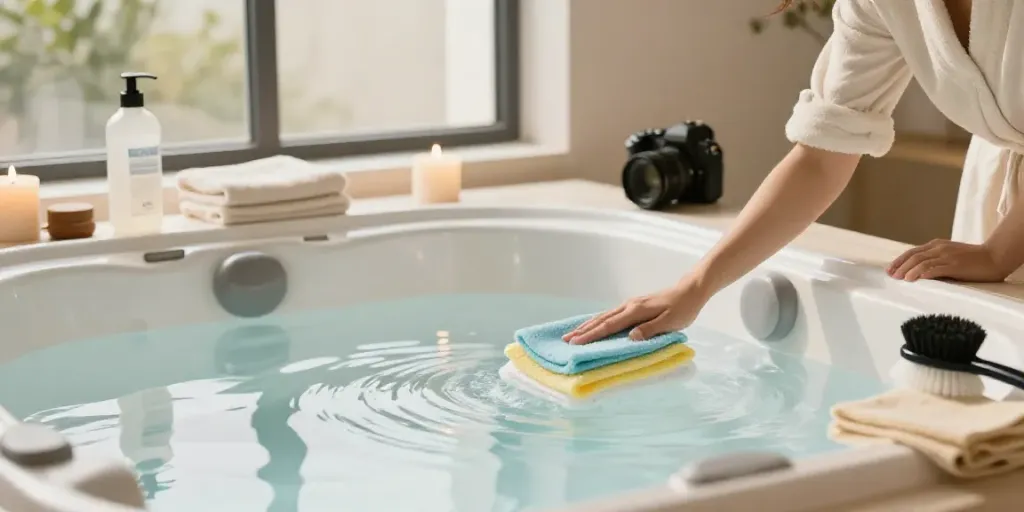
Deep cleaning your spa involves several key steps: draining the water, scrubbing the surfaces with a non-abrasive cleaner, and rinsing thoroughly. After scrubbing, it’s beneficial to use a specialized spa surface cleaner designed to remove stubborn stains and prevent buildup. Additionally, it's essential to ensure the jets and filters are cleaned or replaced as needed, ensuring optimal water circulation and cleanliness.
Choosing Eco-Friendly Cleaning Supplies
As the demand for environmentally friendly products grows, spa owners are encouraged to select eco-friendly cleaning supplies. These products are not only effective but also reduce the environmental impact. Look for biodegradable cleaners and those that are free from harsh chemicals. This commitment to sustainability helps protect aquatic ecosystems while ensuring your spa remains a safe space for relaxation.
Frequency of Wash Replacement and Maintenance
How frequently should maintenance occur? Generally, spa water should be drained and replaced every three to four months, depending on usage. Filters typically require replacement every 12-24 months, while other components may vary based on manufacturer recommendations. Regularly assessing the condition of these parts will aid in making informed decisions about wash replacements.
Common Challenges in Spa Cleaning & Wash Replacement
Despite understanding the importance of regular maintenance, spa owners often face challenges that can hinder effective cleaning and upkeep.
Addressing Stains and Buildup
Stains can be particularly stubborn, especially if they are allowed to sit for extended periods. One effective method is to use a combination of baking soda and vinegar to create a gentle yet effective cleaning paste. This paste can be applied to troublesome spots and left to sit before scrubbing. Regularly scheduled cleanings will help prevent such buildup from becoming an overwhelming issue.
Managing Chemical Levels in Spa Water
Maintaining balanced chemical levels is critical for both the spa's functionality and the health of its users. Regularly test the water using a quality test kit to monitor pH, alkalinity, and sanitizer levels. Adjustments should be made as necessary to achieve ideal conditions. Also, consider the use of an automated chemical dispenser to simplify maintaining these levels.
Tips for Overcoming Seasonal Maintenance Issues
Seasonal changes can pose unique challenges for spa maintenance. For instance, during winter months, ensure that the water levels are appropriate to prevent freezing. Additionally, if your spa is not in use during cold weather, consider using a cover to keep debris out and maintain warmth. This will cut down on cleaning time when reopening your spa in warmer months.
Real-World Applications and Case Studies
Examining real-world applications offers invaluable insights into the effectiveness of proper spa maintenance techniques and products.
Success Stories from Spa Owners
Many spa owners have reported dramatic improvements in their spa experiences after adopting a rigorous cleaning schedule. For instance, one homeowner noted that implementing a monthly deep clean and using eco-friendly products significantly reduced skin irritations previously experienced by family members.
Before-and-After: The Impact of Professional Cleaning Services
Professional cleaning services can dramatically improve the condition of your spa. Before-and-after comparisons often showcase sparkling surfaces, clear water, and well-maintained equipment. Many services not only clean but also conduct thorough inspections, ensuring that potential issues are caught early.
Cost-Benefit Analysis of Regular Maintenance
Investing in regular maintenance proves far more cost-effective than neglecting cleaning tasks. The potential expenses associated with major repairs, often necessitated by poor upkeep, can be far higher than the cost of cleaning supplies or professional services. A proactive approach ensures continued enjoyment of the spa and minimizes unexpected repair costs.
Future Trends in Spa Cleaning & Wash Replacement
Looking ahead, several trends will likely shape the landscape of spa cleaning and maintenance.
Innovative Technologies on the Horizon for Spa Maintenance
Emerging technologies are set to revolutionize spa maintenance practices. Innovations such as automated cleaning robots and smart monitoring systems are gaining traction, allowing spa owners to maintain cleanliness with minimal effort. These devices can alert users to chemical imbalances or when cleaning is required based on usage patterns.
Sustainable Practices and Consumer Preferences for 2026
As consumer awareness regarding environmental issues continues to rise, a shift towards sustainable practices in spa cleaning is anticipated. More companies are expected to align their products with eco-friendly standards, catering to a market that increasingly prioritizes health and sustainability.
Predictions for the Future of Spa Cleaning Products
We can expect future spa cleaning products to incorporate natural ingredients and advanced formulas designed to target specific issues such as hard water stains or biofilm buildup. Manufacturers are likely to focus on developing solutions that are not only effective but also safe for users and the environment.
What is the cost for someone to clean a hot tub?
Hiring a professional to clean your hot tub may range from $75 to $150 per session, depending on the size of the tub and the extent of the cleaning required. While this may seem steep, it often saves time and ensures that the job is done effectively.
How often should a spa be drained and cleaned?
As mentioned earlier, a drain and clean schedule typically occurs every three to four months, but this can vary based on the frequency of use. Observing the clarity and smell of the water can also indicate when it may be time for maintenance.
Where can I buy hot tub replacement parts?
Replacement parts for hot tubs can be sourced from several locations, including local pool supply stores, online retailers, and dedicated spa maintenance companies. Always ensure compatibility with your specific spa model.
What to clean hot tub with when empty?
When your hot tub is empty, it is advisable to use a specialized hot tub cleaner or a mild soap solution to wipe down the surfaces. For more information, Part Replacements & Repair in Sydney offers valuable insights. Avoid using harsh chemicals that could damage the spa’s surface.