Understanding Mini Split AC Units
As temperatures rise, efficient and effective cooling solutions become paramount in maintaining comfort at home or in the workplace. One of the most popular choices today is the mini split ac unit. This innovative air conditioning system, known for its versatility and energy efficiency, is rapidly becoming a staple in many residential and commercial spaces. In this comprehensive guide, we will explore what a mini split AC unit is, how it operates, its benefits, installation processes, maintenance tips, energy efficiency, and future trends in technology.
What is a Mini Split AC Unit?
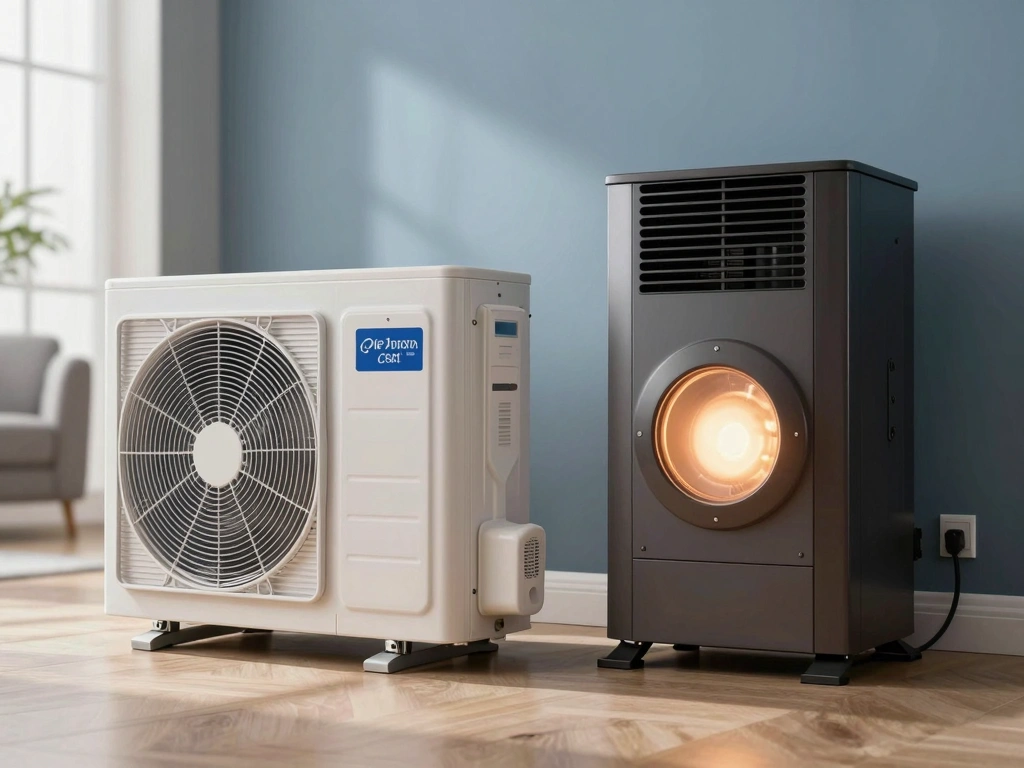
A mini split AC unit, also referred to as a ductless air conditioning system, consists of two main components: an indoor air-handling unit and an outdoor compressor/condenser. This configuration allows for flexible installation options and efficient temperature control. Unlike traditional air conditioning systems that rely on ductwork to distribute cooled air, mini splits deliver air directly into the designated space, making them ideal for homes without existing ductwork or for augmenting the cooling capacity in specific areas.
How Mini Split Systems Work
Mini split systems operate on a simple principle. The outdoor unit absorbs heat from the surrounding air and transfers it to the indoor unit, where it is cooled and circulated back into the living area. This process can reverse, allowing the system to provide heating during colder months. The efficiency of mini splits is largely attributed to their inverter technology, which adjusts the compressor speed to maintain a consistent temperature without excessive energy use.
Benefits of Choosing Mini Split AC Units
Opting for a mini split AC unit comes with several advantages:
- Energy Efficiency: Mini splits often boast high Seasonal Energy Efficiency Ratios (SEER), translating to lower utility bills compared to traditional systems.
- Zone Control: With the ability to cool or heat individual rooms separately, mini splits allow for customized comfort in different areas.
- Quieter Operation: Mini splits are significantly quieter than window units or traditional air conditioners.
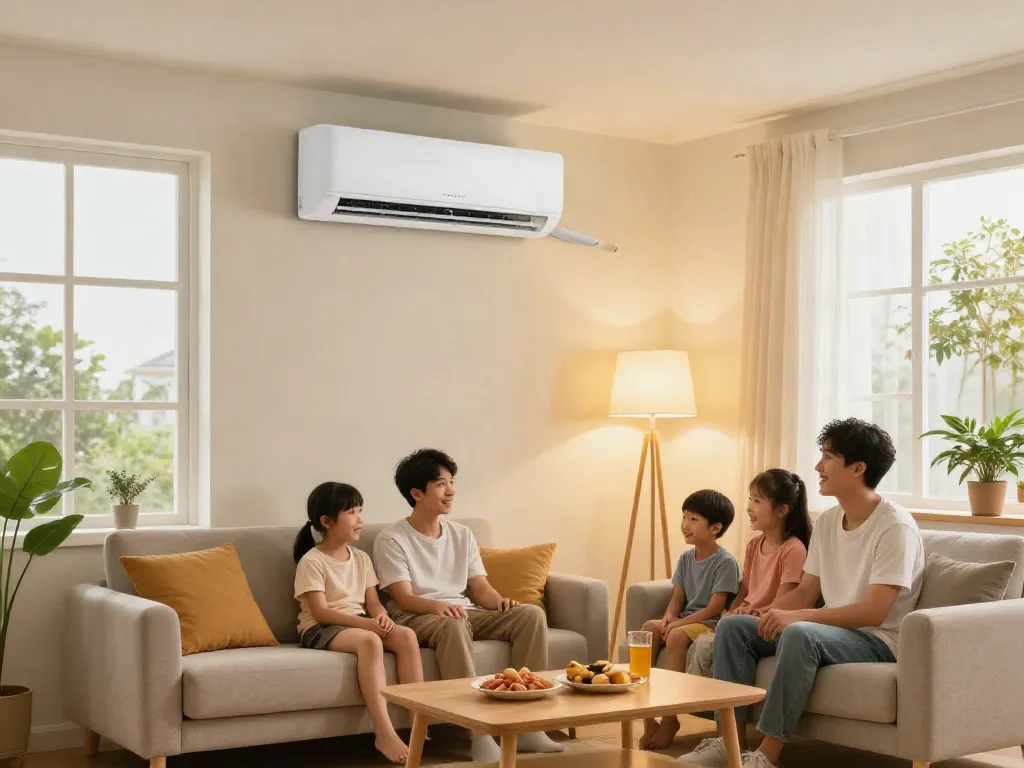
- Sleek Design: The indoor units are compact and can be mounted on walls, blending seamlessly with the decor.
- Easy Installation: With minimal ductwork required, installation is often quicker and less invasive.
Installation Process for Mini Split AC Units
Preparation Steps Before Installation
Before installing a mini split AC unit, thorough preparation is crucial. Homeowners should assess the space that requires cooling, ensuring adequate clearance for the indoor and outdoor units. It's essential to measure the square footage to select an appropriately sized system. Understanding local building codes and electrical requirements is also vital to ensure compliance during installation.
Professional vs DIY Installation
While some homeowners may consider a DIY installation to save costs, hiring a professional is often advisable. Experienced technicians will ensure proper system sizing, placement, and electrical connections, mitigating potential issues down the line. Moreover, many manufacturers require professional installation to validate warranties.
Cost Breakdown of Mini Split AC Unit Installation
The overall cost for installing a mini split AC unit varies depending on several factors including system size, installation complexity, and geographic location. On average, homeowners can expect to spend between $3,000 to $7,000 for a complete system, including installation. It’s wise to obtain multiple quotes and consider both the initial cost and long-term savings on energy bills when evaluating options.
Maintenance Tips for Mini Split AC Units
Regular Cleaning and Upkeep
Routine maintenance is key to ensuring the longevity and efficiency of a mini split AC unit. Homeowners should clean or replace air filters monthly to maximize airflow and minimize allergens. Additionally, cleaning the outdoor unit of debris and ensuring proper drainage can prevent unwanted malfunctions.
Troubleshooting Common Issues
Even with regular maintenance, issues may arise. Common problems include insufficient cooling, strange noises, or refrigerant leaks. Homeowners should familiarize themselves with basic troubleshooting steps such as checking the thermostat settings, inspecting the filters, and ensuring the outdoor unit is free from obstructions.
When to Call a Professional
While DIY maintenance can address many issues, some situations require professional intervention. If the unit is not cooling effectively despite trying basic troubleshooting or if unusual noises persist, contacting a certified technician is crucial. Regular annual check-ups can also prevent larger problems and extend the lifespan of the system.
Energy Efficiency and Cost Savings
Comparing Mini Split AC Units to Traditional Systems
Mini split AC units generally outperform traditional central air systems in terms of energy efficiency. With no duct losses, mini splits can operate at SEER ratings exceeding 20, while conventional systems often range between 14-18. This efficiency translates into substantial savings on energy bills over time.
Understanding SEER Ratings
Seasonal Energy Efficiency Ratio (SEER) measures the cooling output divided by the energy consumed during a typical cooling season. Higher SEER ratings indicate greater energy efficiency. When selecting a mini split system, aim for a SEER rating of at least 16 to maximize savings and performance.
How Mini Splits Save You Money
By providing zoned heating and cooling, mini split systems can help homeowners avoid wasting energy on unoccupied spaces. This feature not only enhances comfort but significantly reduces electricity costs, making it a financially sound investment over time.
Future Trends in Mini Split Technology
Innovations for 2026 and Beyond
As technology evolves, mini split systems are expected to incorporate advanced features like smart thermostats, which allow for remote control and scheduling, further enhancing efficiency. Future models may also integrate air purification systems to improve indoor air quality.
Smart Home Integration with Mini Splits
With the rise of smart home technology, integrating mini split systems with home automation systems will become increasingly common. Homeowners will be able to control their mini split units through mobile apps or voice-activated systems, offering more convenience and efficiency.
Environmental Impact and Sustainability
Mini split systems contribute to sustainability efforts by consuming less energy and reducing carbon footprints compared to traditional systems. Advances in environmentally friendly refrigerants also promise to enhance their eco-friendliness, aligning with broader green building initiatives.
Mini Split System FAQs
What are the disadvantages of a mini split?
While mini splits offer numerous benefits, they also have potential downsides. Initial costs can be higher than conventional systems, and aesthetic considerations may arise with the installation of indoor units. Additionally, the outdoor units require adequate space and should be placed thoughtfully to ensure efficiency.
Are mini-split AC units worth it?
For many homeowners, the investment in a mini split AC unit is justified by the energy savings, comfort control, and flexibility they provide. Those with homes lacking ductwork or who want to cool specific rooms will find these systems particularly valuable.
How much does it typically cost to install a mini split?
Costs can vary significantly based on system size, complexity, and regional labor rates. Homeowners should budget between $3,000 to $7,000 for installation, including the unit itself and labor costs. It's advisable to consult multiple contractors to get the best deal.