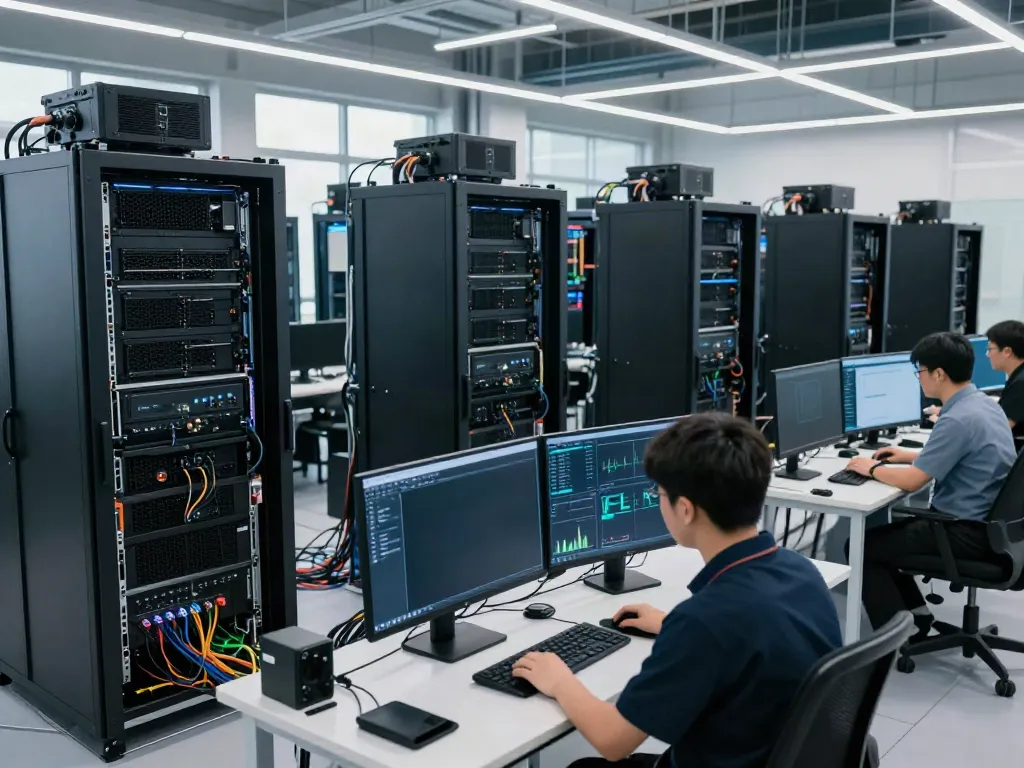
Understanding the AI Data Center Landscape
The emergence of artificial intelligence (AI) has led to a rapid transformation of traditional data centers into specialized facilities capable of handling complex computational tasks. As organizations increasingly rely on AI algorithms for insights and automation, the need for robust AI data center becomes critical. These centers not only house advanced hardware but also prioritize efficient energy usage, cooling solutions, and network infrastructure to support the demands of modern AI workloads.
What is an AI Data Center?
An AI data center is a facility specifically designed to accommodate the unique requirements of AI applications and services. Unlike conventional data centers that rely heavily on standard CPU architectures, AI data centers utilize high-density GPU computing to process vast amounts of data efficiently. These specialized centers support various AI workloads, including machine learning, deep learning, and neural network training, by providing the necessary computational power and storage capacity.
Key Features of Modern AI Data Centers
- High-Density GPU Infrastructure: AI data centers are equipped with powerful graphical processing units (GPUs) that can handle parallel processing tasks more effectively than traditional CPUs.
- Scalable Architecture: These facilities often feature modular designs that enable easy scaling of resources to meet growing demands, allowing for the incorporation of additional servers and storage as needed.
- Advanced Cooling Solutions: High-density workloads generate significant heat, necessitating innovative cooling techniques such as liquid cooling or advanced airflow management to maintain optimal operating conditions.
- Efficient Power Management: AI data centers employ sophisticated power management systems to optimize energy consumption, ensuring that resources are utilized efficiently while minimizing operational costs.
Importance of Infrastructure in AI Development
The infrastructure supporting AI development is crucial for the successful deployment of AI models. Insufficient or outdated infrastructure can lead to bottlenecks in processing, ultimately hindering advancements in AI applications. As AI technologies become more integrated into business processes, organizations must ensure they invest in the infrastructure necessary to support rapid data processing and model training.
Building Your AI Data Center: Essential Steps
Constructing a successful AI data center requires careful planning and execution across several key elements that significantly impact the facility's performance and operational efficiency.
Planning Your Infrastructure Needs
The first step in building an AI data center is to assess your organization's specific needs. This includes understanding the type of AI models to be deployed, the expected workload, and the necessary computational resources. Involving stakeholders from IT, operations, and business development early in the planning process can ensure that all requirements are considered.
Selecting Appropriate Hardware and Software
Choosing the right hardware and software is vital for achieving optimal performance in an AI data center. Organizations should prioritize the acquisition of high-performance GPUs, networking equipment, and robust storage solutions. Additionally, selecting software platforms that can efficiently manage resources and facilitate AI workloads is equally important.
Compliance and Regulatory Considerations
As AI technologies evolve, organizations must navigate an increasingly complex landscape of compliance and regulatory requirements. Ensuring that your AI data center adheres to relevant industry standards and best practices is essential for mitigating risks associated with data privacy and security.
Effective Management of AI Data Centers
Once your AI data center is established, effective management is crucial for maintaining performance and reliability.
Monitoring Performance Metrics
Regularly monitoring key performance metrics such as CPU/GPU utilization, network latency, and energy consumption is essential for optimizing the operation of an AI data center. Employing automated monitoring tools can help identify trends and potential issues before they escalate.
Implementing Efficient Cooling Solutions
Given the high energy demands of AI workloads, efficient cooling solutions play a critical role in maintaining data center performance. Investing in advanced cooling technologies can significantly reduce energy costs and prolong the lifespan of hardware components.
Resource Allocation and Workload Optimization
Optimizing resource allocation based on AI workload requirements can improve the overall efficiency of the data center. Utilizing workload management tools can help ensure that resources are distributed effectively, minimizing idle times and maximizing throughput.
Future Trends in AI Data Centers
The landscape of AI data centers is continuously evolving, driven by technological advancements and changing business requirements.
Emerging Technologies Shaping the Future
New technologies such as quantum computing and edge computing are beginning to influence the design and operation of AI data centers. These innovations promise to further enhance computational capabilities and support real-time data processing.
Sustainability Practices in AI Infrastructure
With increasing concerns over climate change and energy consumption, AI data centers are increasingly adopting sustainability practices. This includes the use of renewable energy sources, innovative cooling solutions, and energy-efficient hardware to minimize their environmental impact.
Predictions for the AI Data Center Market in 2026
By 2026, the AI data center market is expected to experience significant growth. Advances in AI technologies, coupled with rising demand from industries such as finance, healthcare, and automotive, will drive investments in AI infrastructure. Companies that proactively adapt to these trends will likely achieve competitive advantages.
Frequently Asked Questions
What are the benefits of an AI data center?
AI data centers provide significant computational power, enabling organizations to process large datasets efficiently. This leads to faster insights, improved decision-making, and the ability to deploy more sophisticated AI models.
How does power management impact AI workloads?
Effective power management is essential for maximizing resource utilization and minimizing operational costs. By employing advanced power management techniques, organizations can ensure that their AI workloads run efficiently without unnecessary energy expenditure.
What trends should I watch for regarding AI data centers?
Key trends to watch include the increasing emphasis on sustainability, the integration of emerging technologies, and the ongoing evolution of hardware and software solutions tailored for AI workloads.
How can I participate in the AI Token Economy?
Organizations and individuals can participate in the AI Token Economy by investing in AI infrastructure or utilizing platforms that facilitate the exchange of AI tokens for computational services. Understanding the underlying principles of how these tokens function is essential for getting involved.
What role does cooling play in data center performance?
Cooling is critical in maintaining optimal operating temperatures for hardware components within a data center. Effective cooling solutions can prevent overheating, reduce energy costs, and enhance the overall performance and longevity of equipment.